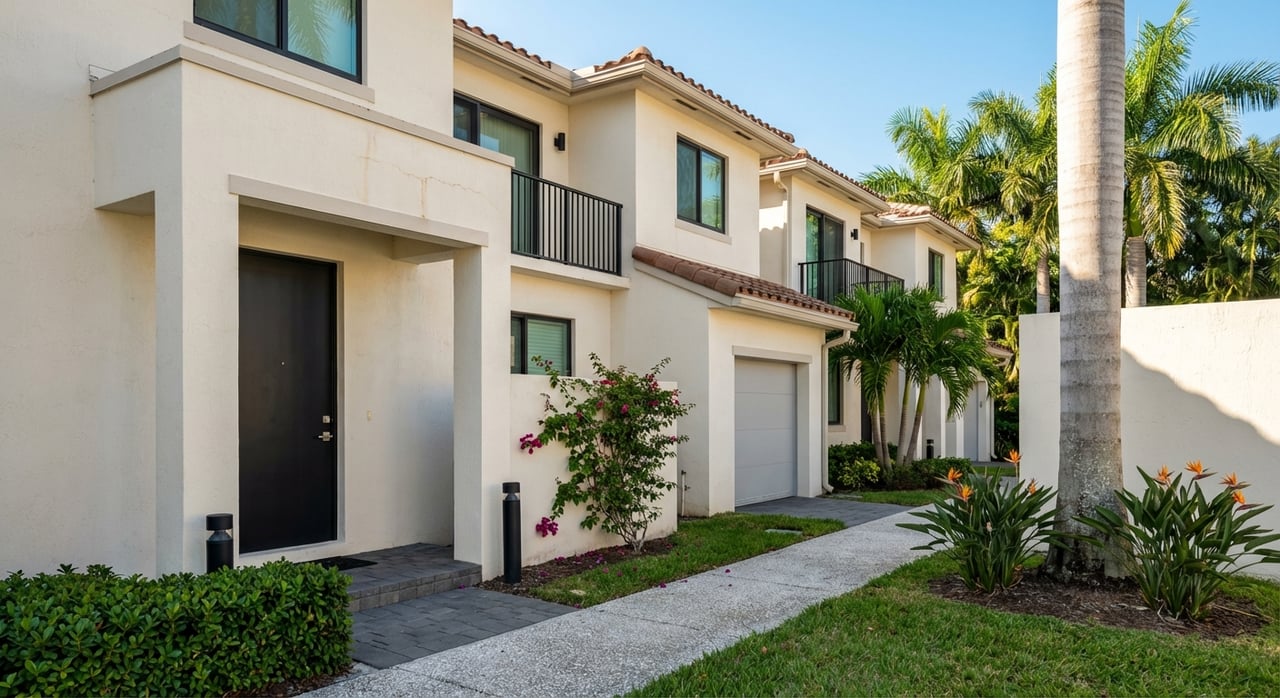
Are you craving more space than a condo but not ready for the upkeep of a single‑family home? In Miami‑Dade, townhomes can hit that sweet spot for busy professionals and growing families. In this guide, you’ll learn how townhomes work here, what they cost to maintain and insure, how financing and rental rules differ, and a practical checklist to shop with confidence. Let’s dive in.
What “townhome” means in Miami‑Dade
A townhome is a multi‑level home that shares at least one wall with a neighbor. In Florida, the legal setup matters as much as the layout. A townhome can be a fee‑simple property with an HOA or a condo‑structured townhome governed by condo rules. Always confirm the legal form in the recorded documents before you fall in love with the floor plan.
Fee‑simple vs condo townhome
In a fee‑simple townhome, you usually own the structure and the land beneath it. These communities are generally governed by homeowners association rules under Florida Statutes Chapter 720. A condo‑form townhome is legally a condominium, where you own the interior and the association owns the exterior shell and common elements under Florida Statutes Chapter 718. Do not rely on marketing terms. Verify the deed, declaration, and whether the documents reference Chapter 720 or Chapter 718.
Why legal form matters for you
Legal form drives your financing path, insurance needs, and maintenance responsibilities. Condo‑form townhomes face project‑level reviews for things like reserves, insurance, and occupancy, which can affect loan options and timelines. For a quick lens into what lenders look at, review Freddie Mac’s background on condo project reviews in its Condo Project Advisor FAQ.
Layouts and lifestyle fit
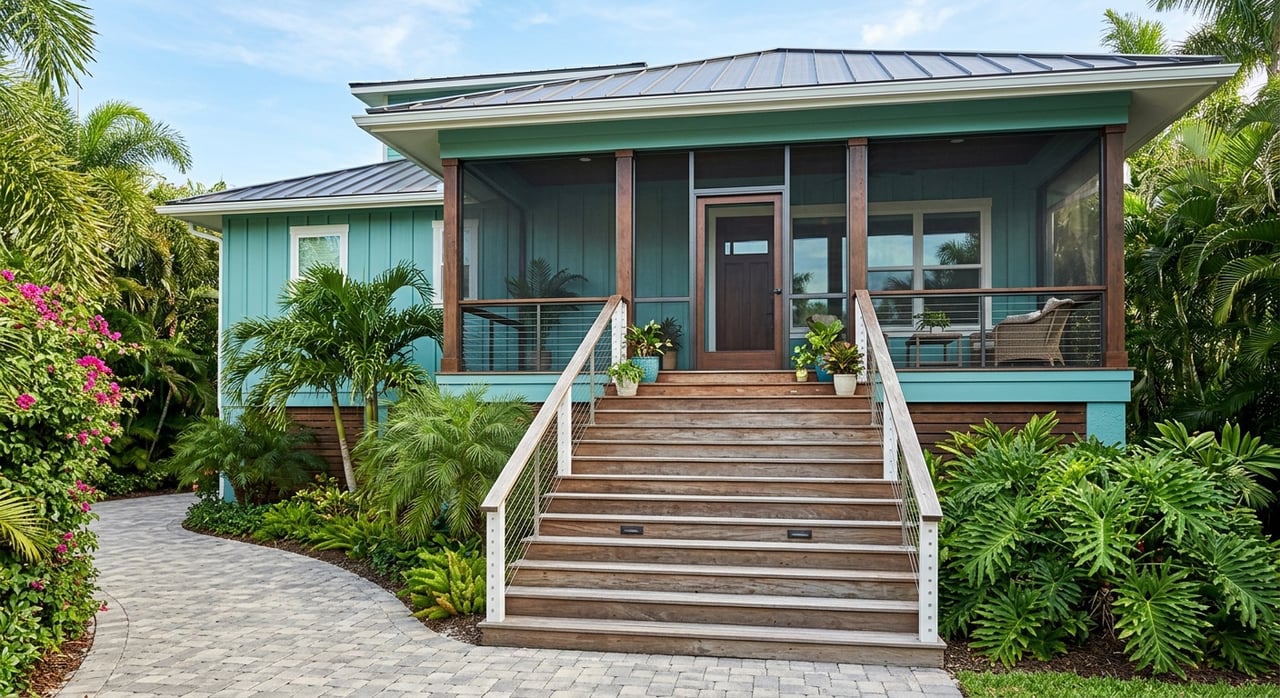
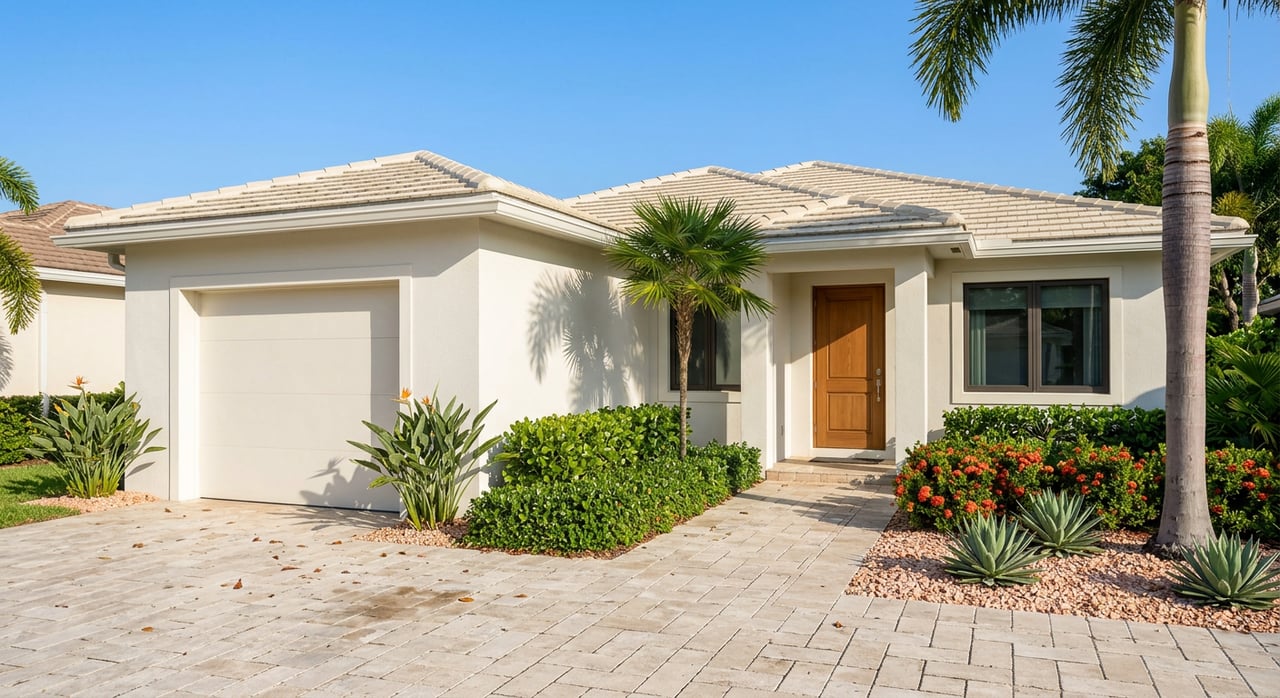
Most Miami‑Dade townhomes are two to three stories with a private entrance, often a garage or assigned parking, and a small yard or patio. You gain privacy since no one lives above or below you. Compared to detached homes, exterior chores are lighter because the community usually maintains shared areas and amenities.
Where you’ll find them
You will see many townhome communities in Kendall, Kendale Lakes, The Hammocks, parts of Doral, and West Miami‑Dade. In‑town options exist in pockets of Coconut Grove and Coral Gables, along with some newer projects near transit corridors. Expect more choices outside the high‑rise cores of Brickell and Downtown, with some infill projects offering a walkable feel.
Costs, maintenance, and risk checks
The right townhome can streamline your lifestyle. The key is to understand fees, future projects, and insurance early, since these items vary by community and legal form.
HOA fees and responsibilities
What your dues cover depends on whether the townhome is fee‑simple or condo‑form. Condo associations often include the building exterior, roof, and a master insurance policy. Fee‑simple HOAs tend to handle common areas and amenities, while many owners remain responsible for roofs and exterior upkeep. Always read the budget and the maintenance responsibility chart in the governing documents.
Reserves, inspections, and assessments
After the Surfside tragedy, Florida strengthened condo inspection and reserve rules. Many condo associations must complete milestone inspections and maintain structural reserves, which can impact monthly fees and special assessments. Review the most recent reserve study, inspection reports, and meeting minutes. For a clear overview of these reforms, see Florida Realtors’ summary of SB 4D on condo inspection and reserve requirements. In Miami‑Dade, also confirm a building’s recertification status and timelines using the county’s building recertification guidance.
Insurance and flood in Miami‑Dade
Florida’s property insurance market is tight, and South Florida premiums can be high. Lenders often require flood insurance for properties in FEMA Special Flood Hazard Areas. Get quotes early and confirm roof age and any documented wind‑mitigation features, since these can affect pricing and availability. For market context, check the Florida Office of Insurance Regulation’s tools and data. To understand wind mitigation and common inspection types that insurers request, review this practical Florida insurance inspections guide.
Property taxes and homestead
If you will live in the home as your primary residence, the Florida homestead exemption can lower your taxable value and limit annual assessment increases. In Miami‑Dade, you must apply by March 1. Learn how to file on the Miami‑Dade Property Appraiser homestead page.
Financing and rental rules
Financing and rental flexibility vary by community. Confirm both early, since they can shape your purchase strategy and long‑term plans.
Financing differences
Condo‑form townhomes are subject to project reviews that focus on reserves, insurance, litigation, and occupancy levels. Some loans may be limited or need extra documentation if the project does not meet guidelines. Fee‑simple townhomes usually underwrite more like single‑family homes. For background on how lenders evaluate condo projects, review Freddie Mac’s Condo Project Advisor FAQ again as a reference point.
Short‑term rental rules
Short‑term rental policies differ across Miami‑Dade. The City of Miami requires registration and a Certificate of Use in eligible zones. Miami Beach has strict controls and heavy fines outside designated areas. Always verify city or county rules and your association’s rental policy before you count on rental income. Start with the City of Miami’s short‑term rental procedures and confirm zoning and licensing requirements for your specific address.
Due diligence: is a townhome a fit?
Use this quick checklist to test the fit and reduce surprises later:
- You want more space, a private entrance, and less exterior upkeep than a house.
- You are comfortable with an HOA and monthly dues. You also want transparency on reserves and any planned special assessments, with documents in hand.
- You prefer fee‑simple ownership or, if condo‑form, you want clear rules on who handles exterior and roof.
- You like community amenities, such as a pool or fitness room, without a high‑rise environment.
- You plan to homestead a primary residence and want tax protections. Confirm steps and deadlines on the county’s homestead page.
- You want financing clarity. If you are using a loan that is sensitive to condo project rules, verify eligibility before you write an offer.
- You need reliable insurance and value features like newer roofs and documented wind mitigation. Review this insurance inspections guide to see what carriers look for.
- Your commute matters, so you prefer corridors with quick access to Metrorail or major highways.
- You intend to rent seasonally and will confirm city or county licensing plus any HOA restrictions, starting with the City of Miami procedures.
- You want smoother resale potential. Look for solid governance, clear budgets, stable occupancy, and low delinquencies.
Key documents to review
Before or as you schedule showings, request:
- Governing documents: declaration, bylaws, and amendments that confirm whether Chapter 720 or 718 applies. Reference Florida Statutes Chapter 720 and Chapter 718.
- Current budget, the latest reserve study, and any milestone or SIRS reports if condo‑form. The Florida Realtors overview of SB 4D is a helpful explainer on reserves and inspections.
- Association insurance summary and master policy, plus the seller’s policy details for the unit.
- Board meeting minutes from the last 12 months, including any special assessment notices or major projects.
- Evidence of fee‑simple lot vs condominium unit on title or plat.
- Flood zone determination and an elevation certificate. Verify the zone using FEMA’s Flood Map Service Center.
Start your Miami‑Dade townhome search
- Get preapproved so you know whether condo project rules will affect your loan path.
- Focus on a few corridors that match your routine. Kendall and Dadeland offer access to transit and expressways. Doral can be convenient for west‑of‑airport employment hubs. Coconut Grove and Coral Gables provide in‑city options with lower‑rise living.
- Ask for insurance quotes early. If a carrier requires roof work or mitigation documentation to bind coverage, you want to know before you write an offer. The Florida insurance market data can help you understand the landscape.
- Request the association document packet right away and review it with your agent or attorney. Ask clear questions about reserves, insurance, rental policies, litigation, and any planned projects.
- If renting is part of your plan, confirm eligibility and licensing for your exact address using the city’s short‑term rental procedures.
- Write offers with contingencies for document review, insurance bindability, and any lender project eligibility checks if condo‑form.
A Miami‑Dade townhome can give you the space and privacy you want without the full upkeep of a detached house. When you verify the legal form, review reserves and inspections, and price insurance early, you reduce risk and move forward with confidence.
Ready to tour townhomes that fit your lifestyle and budget? Connect with the local team at Premier Real Estate Sales Inc. for a focused search and on‑call guidance from offer to closing.
FAQs
What is the difference between a townhome and a condo in Miami‑Dade?
- In Florida, a townhome can be fee‑simple under Chapter 720 or condo‑form under Chapter 718. The legal form controls exterior responsibilities, insurance, and loan rules.
How do new condo inspection rules affect condo‑form townhomes?
- Many condo communities must complete milestone inspections and maintain structural reserves, which can raise fees or lead to assessments. Review SB 4D guidance and the community’s latest reports.
What insurance do I need for a Miami‑Dade townhome?
- Fee‑simple owners often carry an HO‑3 policy, while condo‑form owners carry HO‑6 plus association coverage. Flood insurance is separate and may be required in FEMA flood zones.
How do financing rules differ for fee‑simple vs condo‑form townhomes?
- Condo‑form townhomes face project‑level reviews that can affect loan options and timelines. Fee‑simple townhomes usually underwrite like single‑family homes.
Can I use a townhome for short‑term rentals in Miami‑Dade?
- It depends on the city and the HOA. The City of Miami requires registration and a Certificate of Use in eligible zones, and some associations limit or ban short‑term rentals.