Why does a condo in Brickell get multiple offers while a single-family in Kendall takes longer to move? If you are buying or selling in Miami-Dade County, it can feel like every neighborhood follows its own rules. You want clear guidance, not guesswork. This guide shows you why micro-markets behave differently across Miami–Miami Beach–Kendall and how to use that knowledge to time your move, set expectations, and protect your budget. Let’s dive in.
Why neighborhoods move differently
Housing type mix. Condo-heavy areas like Brickell, Downtown, Miami Beach, and Aventura tend to see higher turnover and more investor activity. Suburbs with single-family homes such as Pinecrest, Coral Gables, and Kendall often react more to limited lot supply and neighborhood premiums.
Coastal exposure and elevation. Flood-zone designations, storm surge exposure, and sea-level rise concerns influence insurance costs and lending. Higher coastal risk can widen price gaps compared with higher-elevation or inland neighborhoods.
Buyer mix. Miami attracts international, second-home, and investor buyers at a higher share than most U.S. markets. Luxury oceanfront and select condo buildings can be sensitive to currency shifts, global travel, or geopolitical events. That can create faster swings in demand versus owner-occupied suburbs.
Short-term rental rules. Where short-term rentals are allowed, investors may bid up prices. Where rules tighten, investor demand can cool. Changes in city or county ordinances can create quick local shifts.
Seasonality. Late fall through early spring is often more active thanks to snowbird and second-home demand. This effect is stronger in resort and coastal pockets than in many inland family suburbs.
New construction pipeline. Urban cores and growth corridors can see waves of new condos or townhomes. A completion surge can add inventory and put pressure on pricing or days on market in those micro-areas.
Insurance and lending. Shifts in Florida insurance availability, premiums, and underwriting standards can affect carrying costs and mortgage approvals differently by neighborhood, especially in coastal and older-building zones.
Neighborhood archetypes at a glance
Urban cores: Brickell, Downtown, Wynwood/Design District
These areas are dominated by high-rise condos with a mix of residents and investors. When demand is strong, listings can move quickly, especially in buildings with updated amenities and solid HOA finances. Pricing is more sensitive to mortgage rates, investor yields, and building rules. If a building has costly assessments or litigation, demand can slow even if the overall neighborhood is hot.
What to watch:
- Condo fees and any special assessments
- Rental policies, STR rules, and owner-occupancy share
- Building age, recertification status, and financing eligibility
Coastal luxury: Miami Beach, South Beach, Bal Harbour, waterfront Grove
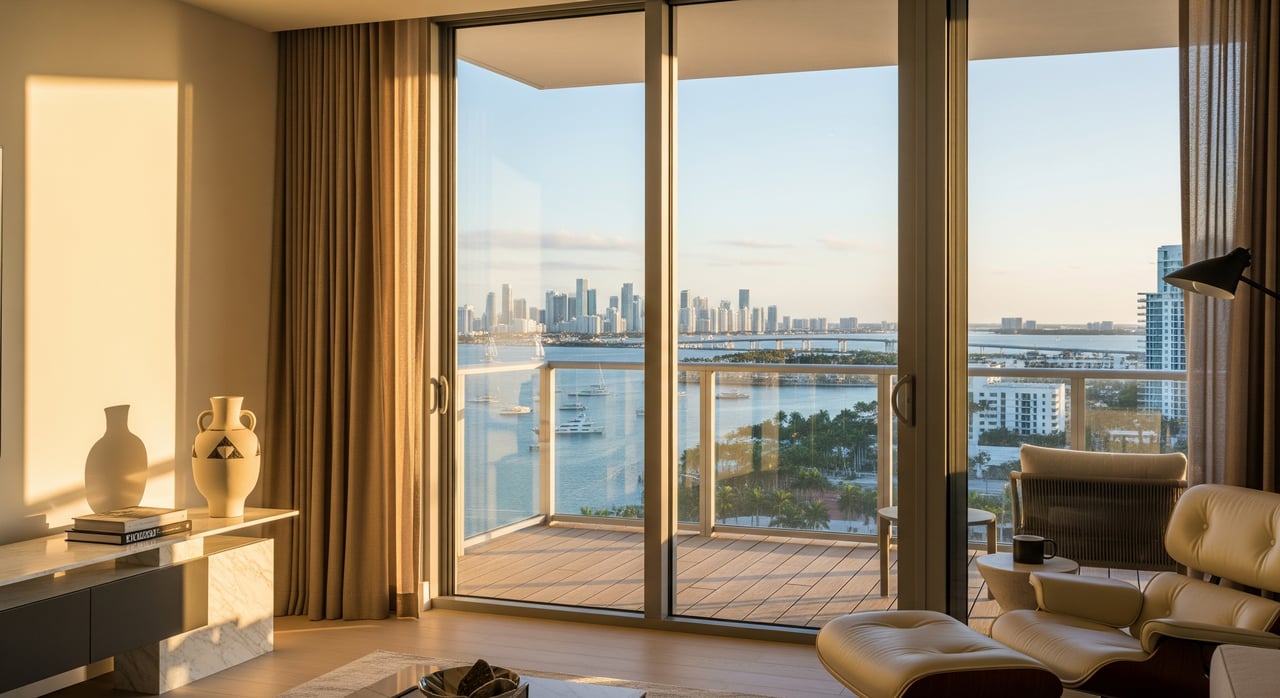
Luxury oceanfront condos and waterfront estates command premium pricing and can show more volatility at the top end. International and second-home buyers play a larger role here, which adds seasonality and exposure to global trends. Coastal exposure and insurance needs are key to net affordability and resale.
What to watch:
- Flood zones, elevation, and insurance quotes
- HOA reserves, amenity quality, and boutique vs large building tradeoffs
- Short-term rental restrictions and licensing requirements
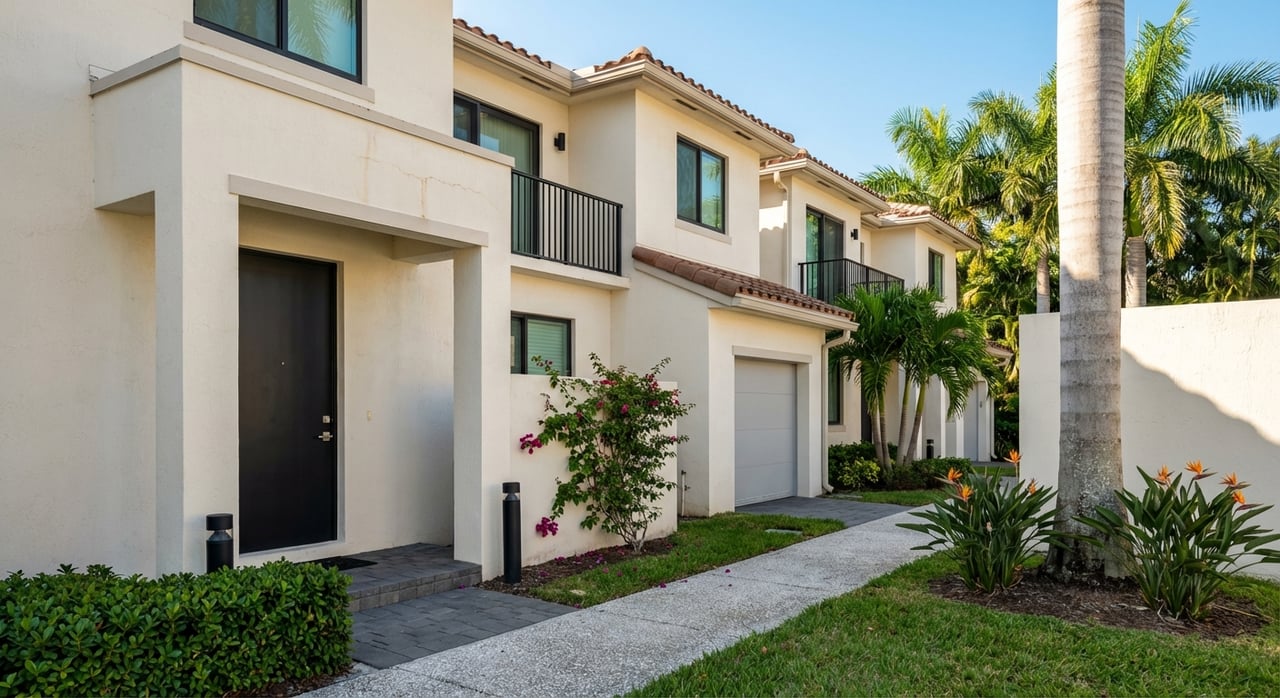
Established single-family suburbs: Coral Gables, Pinecrest, Palmetto Bay
These mature neighborhoods offer larger lots and steady owner-occupant demand. Prices tend to be more resilient due to limited new supply and strong neighborhood identity. Days on market can be longer than a hot condo flip, but the buyer pool is durable and focused on lot size, privacy, and local services.
What to watch:
- Lot size and outdoor space premiums
- Zoning and renovation potential
- Recent single-family comps within micro-areas or school zones
Value hubs: Hialeah and Kendall pockets
These areas offer relative affordability and strong local demand. Homes can turn over more often, and pricing is typically more sensitive to monthly payment and commuting access. First-time buyers may find entry points here while investors look for stable rental demand.
What to watch:
- Payment sensitivity to rates and insurance
- Commute routes and transit options
- Competing nearby condo or townhome options
Growth corridors: Doral and western Kendall
Master-planned communities, townhomes, and newer single-family developments shape pricing here. Builder incentives, inventory homes, and amenity packages influence time on market more than in mature suburbs. Competing new phases nearby can compress pricing.
What to watch:
- Builder incentives, closing cost credits, and rate buydowns
- HOA/amenity fees and their impact on monthly cost
- New permits and upcoming completions
Transitional areas: parts of Little Havana and outer Wynwood
These neighborhoods can appreciate rapidly early in a revitalization cycle. Renovated properties may move fast, but markets can be volatile if many small condos or flips hit at once. Watch zoning changes and local investment patterns closely.
What to watch:
- Renovation quality and permit history
- New retail and amenity projects nearby
- Shifts in rental demand and condo supply
Buyer playbook: make the market work for you
- Compare housing types first. A Brickell condo and a Kendall single-family will respond to rates, insurance, and inventory very differently. Decide which set of tradeoffs fits your lifestyle and budget.
- Price the coastal premium with insurance in mind. Request recent insurance quotes and check flood zones before you fall in love with a view. The carrying cost needs to match your plan.
- Focus on building health for condos. Ask for the reserve study, recertification status, owner-occupancy share, and any special assessments. Strong HOA finances protect value.
- Map inventory and days on market. Low supply plus fast DOM signals a competitive pocket. If DOM is rising and inventory is stacking up, you may have room to negotiate.
- Time your search. If you want coastal or second-home areas, expect more competition in winter. For family suburbs, focus on your timeline and school-year transitions.
Seller playbook: position for your micro-market
- Lead with what buyers value locally. In urban cores, highlight amenities, HOA strength, and rental rules. In suburbs, emphasize lot size, outdoor living, storage, and commute routes.
- Price against true local comps. Use recent sales from your micro-neighborhood and property type. Avoid broad city averages that blur condo vs single-family dynamics.
- Pre-empt insurance and financing questions. Share recent insurance quotes and any mitigation upgrades. For condos, offer HOA financials and engineering reports upfront.
- Watch seasonality windows. Coastal and resort neighborhoods may see stronger buyer pools in late fall through early spring. Coordinate market entry with your agent.
- Invest in presentation. Professional photos, floor plans, and clear disclosure build trust and reduce time on market.
Risk checks to run before you commit
- Check flood risk. Review FEMA flood maps for the property’s designation and understand elevation and storm exposure.
- Price insurance into your budget. Request quotes for homeowners, wind, flood, and condo master policy gaps. Compare options to see how neighborhood risk affects monthly cost.
- Verify building governance. For condos, review reserves, litigation, rental caps, owner-occupancy share, and recertification or engineering reports.
- Confirm local rules. Short-term rental policies and licensing vary by city. If rental income is part of your plan, verify current ordinances and building rules.
- Assess new supply nearby. Ask about upcoming condo deliveries or new phases that could impact pricing or absorption.
- Evaluate commute and access. Proximity to Metrorail, I‑95, and US‑1 can shape demand and resale in both urban and suburban pockets.
Seasonality and timing in Miami-Dade
In many coastal and resort-adjacent neighborhoods, buyer activity often peaks from late fall through early spring. This can compress days on market and support stronger pricing, especially for oceanfront condos and second homes. Inland family suburbs may show steadier demand patterns, with some buyers timing moves around school calendars. Align your search or listing with these windows when possible, but stay flexible if a great fit appears.
How to compare two neighborhoods in minutes
- Identify the housing mix. Note the share of condos vs single-family vs townhomes.
- Pull recent DOM and inventory. Pair the two to see if the pocket is heating or cooling.
- Tally carrying costs. Add HOA fees, insurance estimates, and potential assessments.
- Check flood and elevation. Understand how risk changes street by street.
- Scan the pipeline. Look for upcoming condo deliveries or new home phases.
- Validate rules. Review rental policies and any city-specific short-term rental limits.
- Ask for hyper-local comps. Focus on the last 90 to 180 days within the micro-area.
Put local knowledge to work
Miami-Dade is a county of micro-markets. If you match your goals to the right pocket, you can buy with confidence and sell with clarity. Whether you are weighing Brickell versus Doral, or choosing between an inland yard and a waterfront view, the key is to price risk, carrying costs, and timing into your plan.
Ready for a neighborhood-by-neighborhood strategy and a quick read on your home’s value? Connect with the local team at Premier Real Estate Sales Inc. for data-driven guidance, fast MLS exposure, and responsive, bilingual service. Hablamos español.
FAQs
Miami-Dade condos vs single-family: why do prices move differently?
- Condos track investor demand, HOA costs, and building rules, while single-family homes are driven by lot supply, location premiums, and owner-occupant needs.
Brickell vs Kendall: why does time on market differ?
- Brickell’s condo inventory and investor presence create faster swings, while Kendall’s single-family market reacts more to supply constraints and payment-sensitive buyers.
Miami Beach coastal homes: how does flood risk affect value?
- Flood zones, elevation, and insurance costs shape affordability and resale, which can widen price gaps versus higher-elevation or inland areas.
Older Miami-Dade condos: are they harder to finance?
- Lenders may require strong reserves, clean engineering reports, and adequate owner-occupancy, so buildings with issues can face reduced buyer pools.
Short-term rentals in Miami-Dade: do rules change pricing?
- Investor demand is stronger where STRs are allowed, but stricter local ordinances can cool pricing or slow absorption in affected pockets.
Best time to list in Miami-Dade: does season matter?
- Many coastal and resort-adjacent areas see more buyers from late fall through early spring, while family suburbs show steadier patterns around school-year timing.