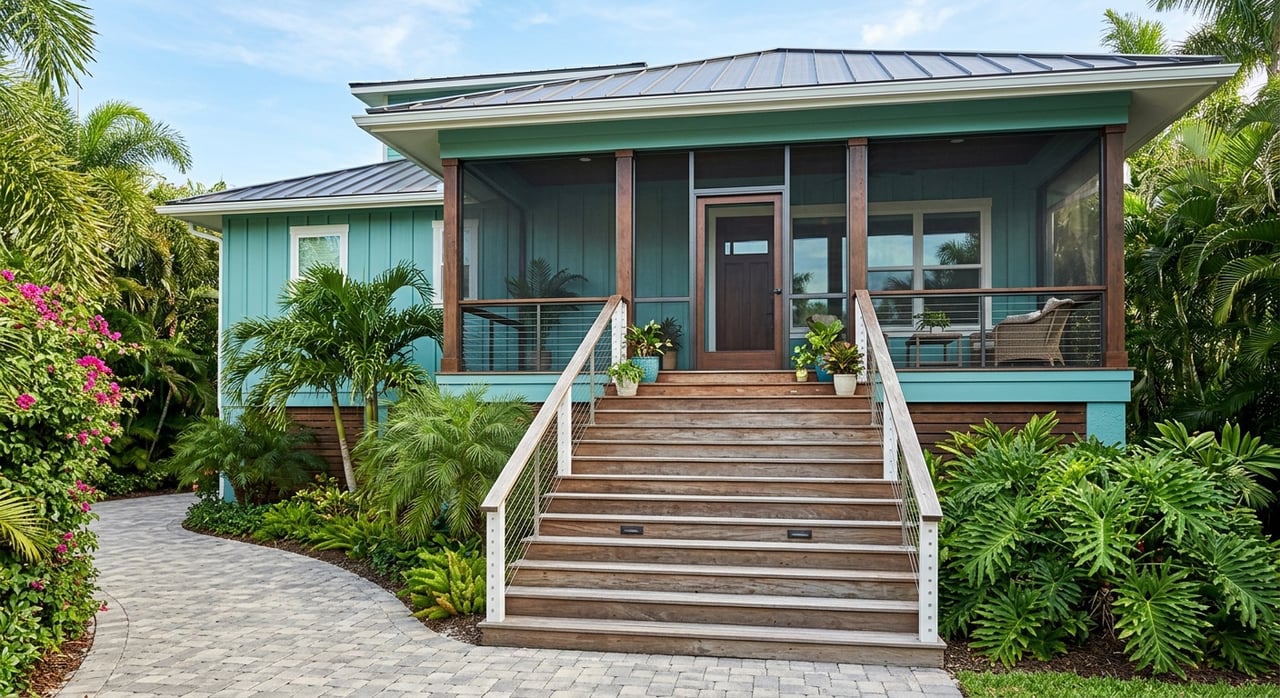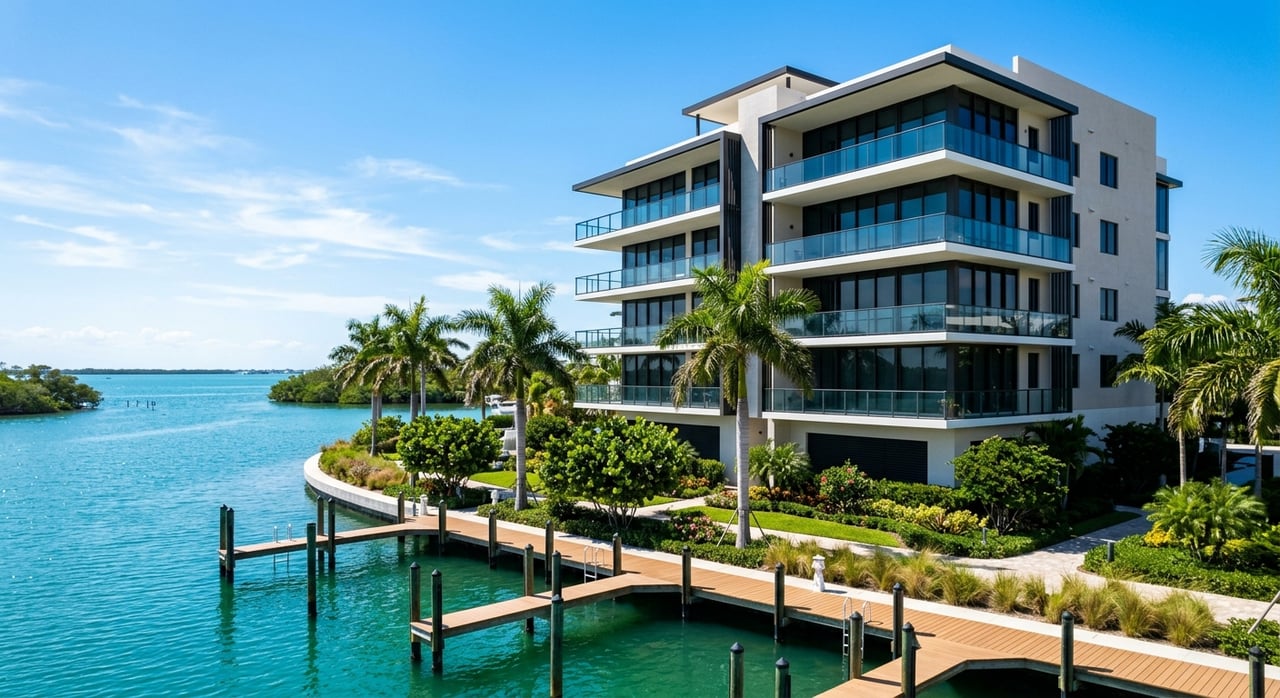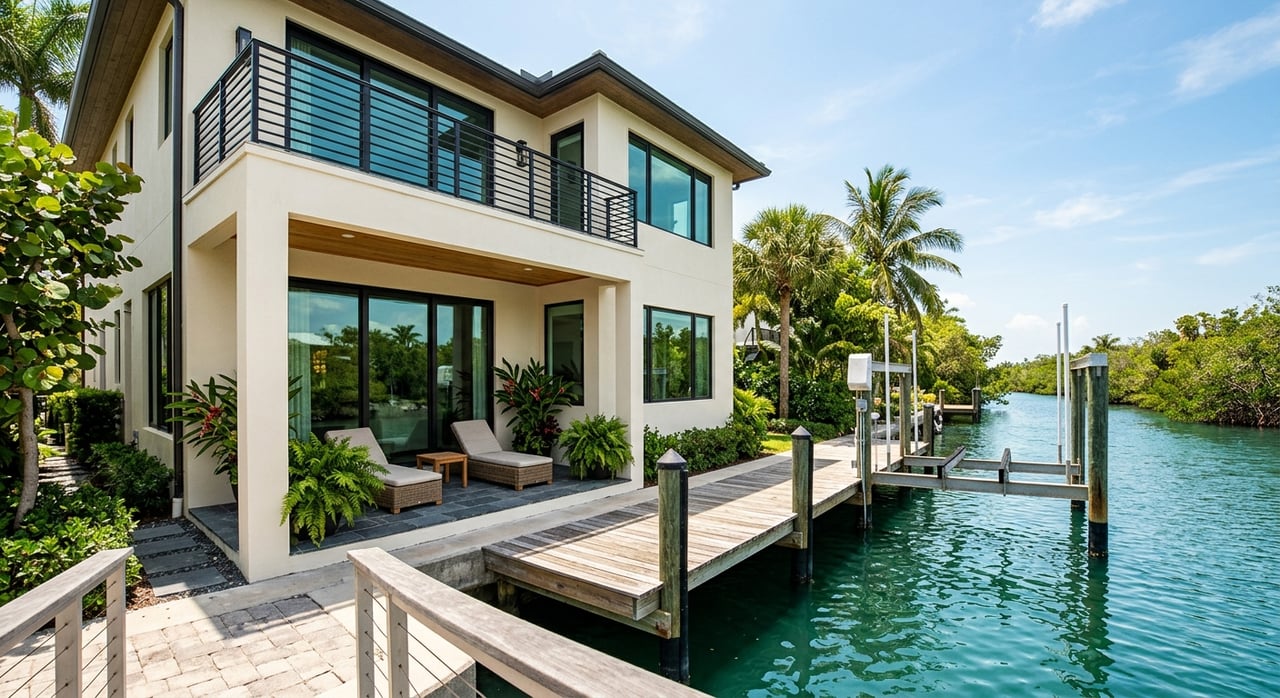
Buying waterfront in the Florida Keys can feel like buying a lifestyle and a navigation plan at the same time. You may be picturing sunrise views, a boat behind the house, and easy days on the water, but in Monroe County, the details behind the dock often matter just as much as the home itself. If you are thinking about a waterfront purchase, understanding access, permits, maintenance, and boating rules can help you avoid expensive surprises and make a more confident decision. Let’s dive in.
Why waterfront buying is different here
The Florida Keys waterfront market is highly regulated, and that shapes how you should evaluate any property. In the Keys, the shoreward boundary of the Florida Keys National Marine Sanctuary is the mean high-water mark, and Monroe County manages boating infrastructure, channel markers, and regulatory zones tied to shallow-water resource protection.
That means a waterfront home is not just about frontage or views. You also need to understand the dock, canal, boating route, and whether the setup actually works for the way you plan to use the property.
Check dock configuration first
A dock should be one of your first filters when touring waterfront property in Monroe County. County rules state that applicable Florida Department of Environmental Protection and Army Corps permits are required before many dock projects move forward, and the code includes limits tied to waterbody width, setbacks, vessel overhang, and open-water access.
According to Monroe County dock regulations, docks cannot exceed 10% of the width of the waterbody, moored vessels cannot extend beyond side property lines, and lifts, davits, and floating dock systems must follow specific setback and use standards. Docks over seagrass or hardbottom also need continuous access to open water and specific depth clearance.
In practical terms, you want to know whether the existing dock is permitted and whether it actually fits your boat. A dock that looks functional during a showing may still be a poor match for your vessel’s draft, beam, or tie-down needs.
Questions to ask about the dock
- Is the dock permitted, and can the seller provide permit records?
- What is the measured depth at mean low water at the dock end?
- Does the vessel you plan to keep there fit within the current dock layout?
- Do lifts, davits, and tie-downs appear appropriate for high-wind exposure?
- Are there any open permit issues or code concerns tied to the dock or lift?
These are not minor details. In the Keys, dock legality and usability are tied to depth, width, access, and neighboring riparian rights, not just shoreline ownership.
Understand canal access before you assume usability
Canal access can be even more complex than the dock itself. If a property’s value depends on modified canal conditions, you should verify those conditions carefully instead of assuming they can be changed later.
Monroe County notes that canal work may require review from multiple agencies, including the county, Florida DEP, the Army Corps, South Florida Water Management District, and NOAA’s sanctuary program. The county also states that dredging or removing canal plugs is prohibited by one or more sanctuary regulations.
That matters because buyers sometimes focus on frontage without confirming whether the route is truly practical. If access depends on a canal that is shallow, constrained, or previously altered, you want clear documentation and a realistic understanding of current conditions.
Focus on boating route, not just frontage
One of the biggest waterfront buying mistakes in the Florida Keys is assuming that waterfront frontage automatically means easy boating access. In reality, the route from the dock to open water may matter more than the lot line.
The Florida Keys National Marine Sanctuary regulations prohibit vessel damage to coral or seagrass. They also note that, except in marked channels, boats must run no faster than no-wake within 300 feet of residential shorelines, stationary vessels, or reef markers.
Monroe County maintains more than 300 channel markers and 251 regulatory markers across 24 boating restricted areas. So when you evaluate a property, think beyond whether you can launch from the dock. Ask how you actually get to open water, how long it takes, what restrictions apply, and whether the route stays navigable for your boat.
What to verify about the route
- Depth along the entire route, not only at the dock
- Clearance for your boat’s draft and beam
- Whether the route crosses seagrass, shallow flats, or restricted zones
- Whether you need to stay within marked channels
- How speed restrictions may affect day-to-day use
A home can have a beautiful canal view and still be a frustrating setup if your usual boat use does not match the access route.
Know manatee zones and other restrictions
Protected boating areas are another important part of waterfront usability in the Keys. Some owners and residents may pass through protected areas to reach their properties, but that access can still come with restrictions.
The Florida Fish and Wildlife Conservation Commission says that waterfront owners or residents who must pass through a No Entry or Motorboats Prohibited zone to reach their property can receive a permit, but the vessel must still operate at idle speed. That means the access corridor itself can affect how convenient the property feels in real life.
For some buyers, idle-speed-only access may be completely manageable. For others, especially if you plan frequent trips or use a larger vessel, it can significantly shape how useful the property is.
Have a backup plan for boat storage
Not every waterfront home has a fully usable dock, and not every buyer wants to upgrade one right away. If that is your situation, it is smart to understand your alternatives before you commit.
As of January 1, 2026, FWC requires a no-cost electronic long-term anchoring permit for vessels anchored in Florida waters for 14 days or more within any 30-day period. If you are considering anchoring instead of docking, that rule becomes part of your ownership planning.
You should also ask about public launching options. Monroe County maintains eight public boat ramps across the Keys, which may be helpful if a property’s dock situation is limited or if you use different types of watercraft.
If marina access is involved, ask about pump-out rules
Some waterfront purchases connect to marina facilities or involve liveaboard-style setups. In those cases, pump-out compliance deserves a closer look.
Monroe County says that unincorporated facilities with 10 or more slips, or with at least one liveaboard slip, must have a fixed pump-out system. The county also notes that fewer than 30% of the nearly 500 marine facilities in the Keys have pump-out equipment.
If your property search includes marina-connected options, this is worth confirming early. It can affect both convenience and compliance.
Budget for salt, sun, and wind
Owning waterfront in the Keys also means owning the maintenance realities that come with a marine environment. Even a well-kept home may need more frequent attention than a similar inland property.
A NOAA coastal building source explains that salt spray, salt water, wind, tides, waves, humidity, and moisture accelerate deterioration. Salt spray can corrode building materials, moisture can contribute to piling decay, and wood-destroying organisms are a real concern for coastal structures.
For you as a buyer, this means taking a closer look at exposed hardware, railings, lift components, coatings, fasteners, and timber elements. A waterfront inspection should be about more than cosmetics.
Items worth reviewing closely
- Dock hardware and fasteners
- Boat lift condition and corrosion
- Railings, exterior metal, and protective coatings
- Pilings and wood elements exposed to moisture
- Signs of deferred maintenance around water-facing areas
Don’t overlook roof heat and efficiency
The Keys sun affects more than your outdoor comfort. It can also influence cooling costs, roof wear, and long-term maintenance.
The U.S. Department of Energy says that conventional roofs can reach 150°F or more on a sunny summer afternoon, while reflective cool roofs can stay more than 50°F cooler. Cooler roof surfaces may also reduce cooling demand and help extend roof service life.
When you are evaluating a waterfront home, ask about roof color, coating, age, and current condition. In a hot coastal climate, those details can affect both day-to-day comfort and operating costs.
Plan for coastal landscaping
Landscaping around a Keys waterfront home is not only about appearance. It also plays a role in wind buffering, privacy, and ongoing upkeep.
UF/IFAS notes that coastal landscapes need extra planning for wind, salt, and sandy soils. Within about one-eighth of a mile of the coast, plants should be at least somewhat salt-tolerant, and wind screens can help protect the site.
If a property has patios, pool areas, or open waterfront seating, look at how the landscaping functions. A beautiful yard on showing day may still need a different maintenance plan if it is exposed to salt and wind year-round.
Ask about termites and moisture history
Termites are another part of the Florida Keys maintenance picture, especially where humidity and damp wood are involved. This is an easy area to miss if you focus only on the view, floor plan, and dock.
UF/IFAS says that dampwood termites are most common in southern Florida and the Keys because they require high humidity and are often associated with wood-to-soil contact or wood that stays wet. The same guide recommends termite prevention as part of a general home maintenance plan and notes that an annual renewal inspection by a trained, licensed termite inspector may be appropriate.
Ask for the maintenance history on termite treatment, moisture issues, and renewal inspections. Slow, hidden problems can become expensive if they are not caught early.
Smart showing questions for waterfront buyers
When you tour a waterfront home in Monroe County, it helps to go in with a focused list of questions. That keeps you from getting distracted by the setting and helps you compare properties more clearly.
Ask the seller or listing side:
- Can you provide dock, lift, or marina permits?
- Are there any open permit issues or code violations?
- What is the measured depth at mean low water at the dock and along the route out?
- Does the route to open water cross a manatee zone or other restricted boating area?
- Are lifts, davits, cleats, and tie-downs suited for Keys wind exposure?
- What is the maintenance history for corrosion, pilings, coatings, roof wear, and termite treatment?
- If the dock is limited, what are the nearest public ramp options?
The goal is simple: make sure the property supports how you actually want to live and boat, not just how it photographs online.
If you are considering waterfront property in the Florida Keys or elsewhere in South Florida, working with a responsive, hands-on team can make the process much easier. Premier Real Estate Sales Inc. can help you evaluate the details that matter, compare options, and move forward with more clarity.
FAQs
What should you verify before buying waterfront property in the Florida Keys?
- You should verify dock permits, depth at mean low water, canal or route access, boating restrictions, and the maintenance history for waterfront structures.
Why does boating route matter for Florida Keys waterfront homes?
- Route matters because frontage alone does not guarantee easy access to open water, and restrictions tied to channels, seagrass, no-wake zones, and protected areas can affect daily use.
What dock issues should buyers check in Monroe County?
- Buyers should check whether the dock is permitted, whether it fits the intended vessel, whether mooring stays within property limits, and whether lifts or davits meet county standards.
How do manatee protection zones affect waterfront access in the Florida Keys?
- They can limit how you reach your property by boat, and in some cases owners may need a permit and must still operate at idle speed through protected areas.
What maintenance concerns come with Florida Keys waterfront homes?
- Common concerns include corrosion from salt exposure, moisture-related wear, piling or wood deterioration, roof heat load, coastal landscaping stress, and termite risk.
What if a Florida Keys waterfront home does not have a usable dock?
- You should ask about long-term anchoring rules, nearby public boat ramps, and whether marina access or another storage option is practical for your boating needs.